
Enhancing Your Landscape with Ecological Pond Design
- Lauren Heaton
- Jan 28
- 3 min read
Creating a beautiful landscape is more than just planting flowers and trimming hedges. One of the most effective ways to enhance your outdoor space is through ecological pond design. Not only do ponds add aesthetic value, but they also support local wildlife, improve biodiversity, and can even help manage stormwater. In this blog post, we will explore the benefits of ecological pond design, the steps to create one, and how to maintain it for long-term success.
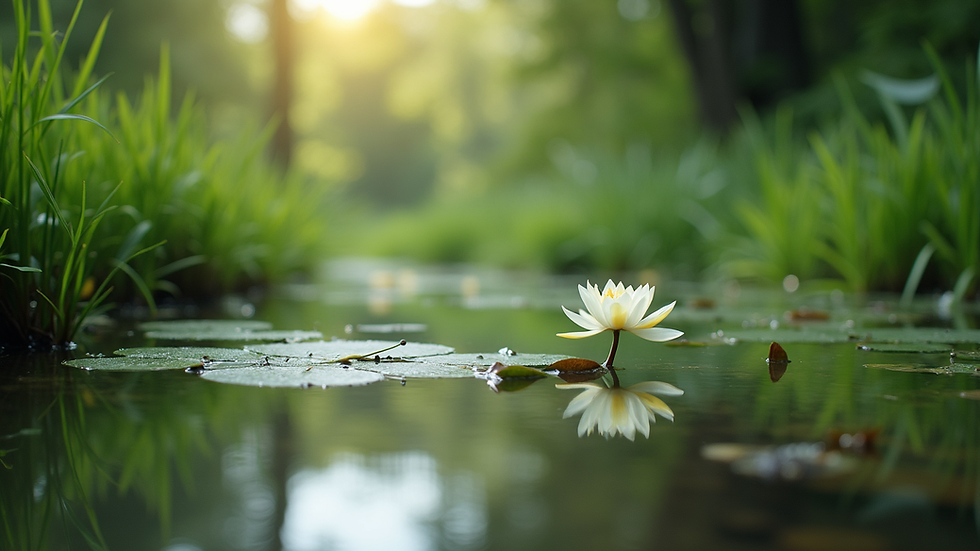
Understanding Ecological Pond Design
Ecological pond design focuses on creating a water feature that mimics natural ecosystems. Unlike traditional ponds, which may rely heavily on artificial materials and chemicals, ecological ponds are designed to be self-sustaining. They incorporate native plants, natural filtration systems, and habitats for wildlife.
Benefits of Ecological Ponds
Biodiversity Support
Ecological ponds provide habitats for various species, including amphibians, birds, and beneficial insects. By attracting these creatures, you contribute to a healthier ecosystem.
Water Management
These ponds can help manage stormwater runoff, reducing erosion and flooding. They act as natural sponges, absorbing excess water during heavy rains.
Aesthetic Appeal
A well-designed pond can serve as a focal point in your landscape, enhancing its beauty and providing a peaceful retreat.
Educational Opportunities
Ecological ponds can serve as outdoor classrooms, allowing children and adults to learn about ecosystems, water cycles, and wildlife.
Recreational Space
Ponds can be used for various recreational activities, such as fishing, kayaking, or simply enjoying nature.
Steps to Create an Ecological Pond
Creating an ecological pond involves careful planning and execution. Here are the key steps to guide you through the process:
Step 1: Site Selection
Choose a location that receives adequate sunlight and is away from large trees that may drop leaves or debris into the pond. Consider the natural topography of your land, as this will influence water flow and drainage.
Step 2: Design Your Pond
Shape and Size: Decide on the shape and size of your pond. Irregular shapes often look more natural.
Depth: Vary the depth to create different habitats. Shallow areas are great for plants, while deeper areas provide refuge for fish and amphibians.
Surroundings: Plan for a buffer zone of native plants around the pond to filter runoff and provide habitat.
Step 3: Excavation
Excavate the pond according to your design. Ensure that the sides are sloped to prevent erosion and allow wildlife access.
Step 4: Install Natural Filtration
Incorporate a natural filtration system using gravel, sand, and aquatic plants. This will help keep the water clean without the need for chemicals.
Step 5: Add Water
Fill the pond with water, preferably using rainwater or well water to avoid introducing chemicals from municipal sources.
Step 6: Introduce Plants and Wildlife
Select native aquatic plants that will thrive in your pond. These may include:
Water Lilies: Provide shade and habitat for fish.
Cattails: Help filter water and provide shelter for wildlife.
Duckweed: Offers food for fish and helps control algae.
Consider introducing fish and other wildlife gradually to allow the ecosystem to stabilize.
Maintaining Your Ecological Pond
Once your pond is established, ongoing maintenance is essential to keep it healthy and thriving.
Regular Monitoring
Water Quality: Test the water regularly for pH, ammonia, and nitrate levels. This will help you identify any issues early.
Plant Health: Monitor the health of your aquatic plants. Remove any invasive species that may threaten the ecosystem.
Seasonal Care
Spring: Clean up debris and check for any winter damage. Replant any areas where plants may have died off.
Summer: Monitor water levels and add water if necessary. Control algae growth by ensuring proper plant coverage.
Fall: Trim back dead plant material and prepare for winter. Consider adding a layer of mulch around the pond to protect the ecosystem.
Winter: If your pond freezes, ensure there is a hole in the ice for gas exchange.
Wildlife Management
Encourage wildlife by providing nesting areas and food sources. Avoid using pesticides or herbicides, as these can harm beneficial organisms.
Conclusion
Ecological pond design is a rewarding way to enhance your landscape while supporting local ecosystems. By following the steps outlined above, you can create a beautiful and functional pond that benefits both you and the environment. Remember, the key to a successful ecological pond lies in its natural design and maintenance. Embrace the beauty of nature and enjoy the tranquility that an ecological pond can bring to your outdoor space.
Take the first step today by planning your ecological pond, and watch as it transforms your landscape into a thriving habitat for wildlife and a serene retreat for you and your family.


Comments